
Details
The fabrication of porous ceramics generally follows these steps: ball-mill and mix pore-forming microspheres with ceramic powder, add organic binders for granulation, shape the mixture in molds, and then remove the pore-forming agents and binders before sintering. The working principle relies on low-volatility substances occupying specific spaces inside the green body. After debinding and sintering, these substances decompose and escape from the substrate, leaving pores to form porous ceramic structures.
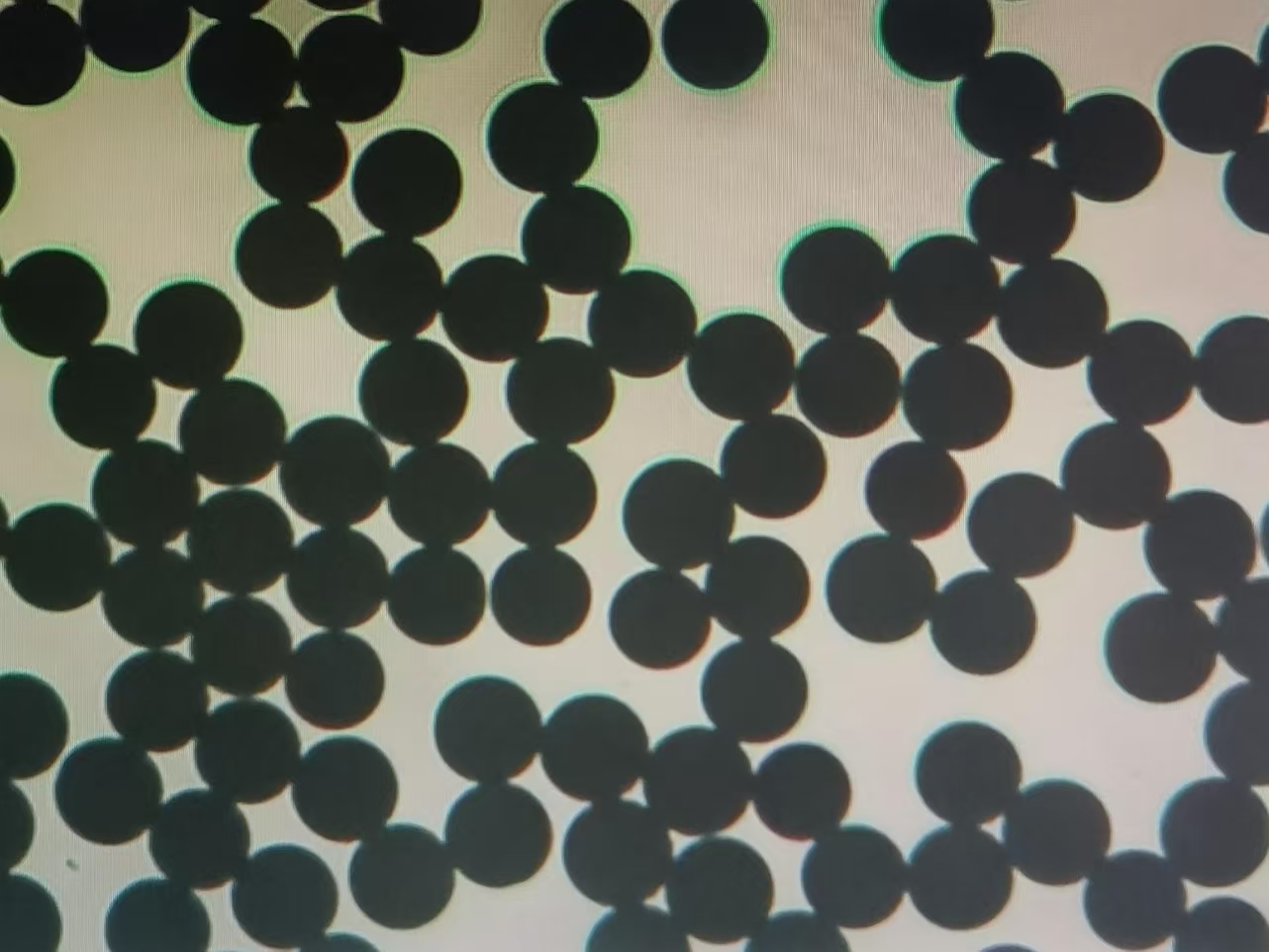
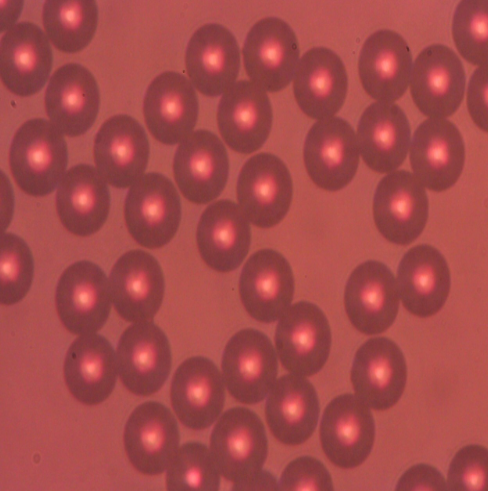
A key advantage of our pore-forming microspheres is that the pore shape, pore size and porosity can be precisely tailored by adjusting the microsphere geometry, particle size and production parameters. Accordingly, the uniformity and particle size of pore-forming microspheres play a decisive role in controlling pore connectivity and dimensions.
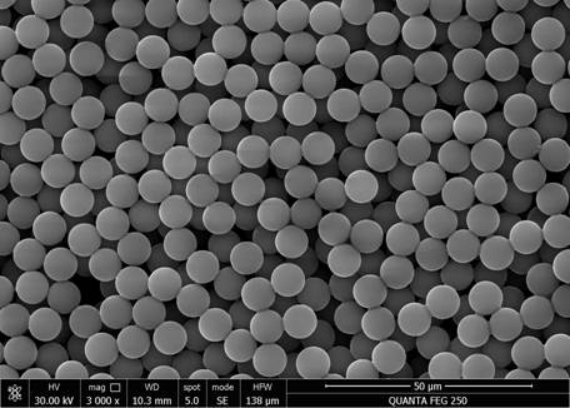
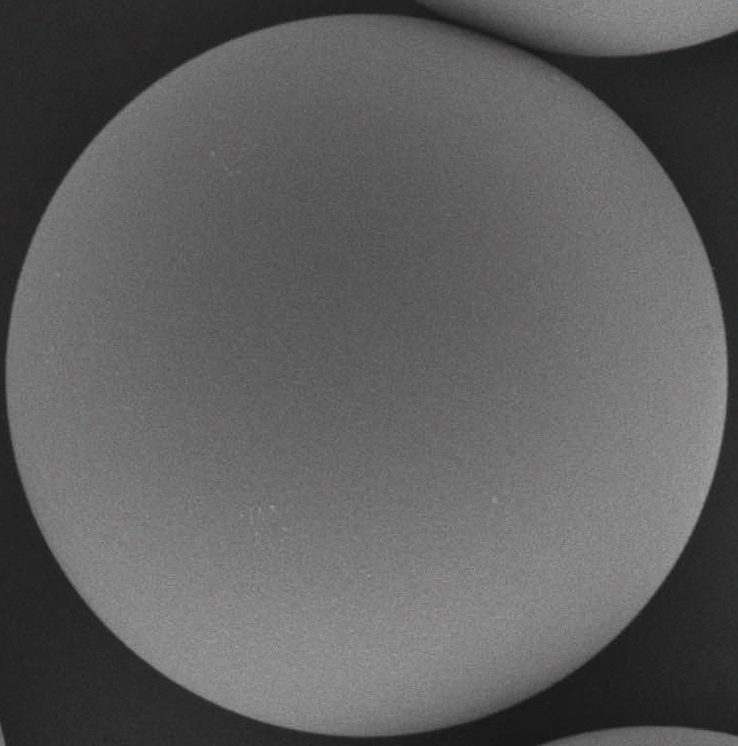
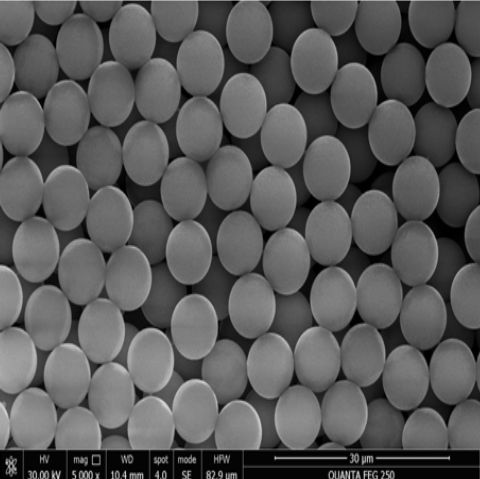
Figure 1: SEM image of PMMA microspheres
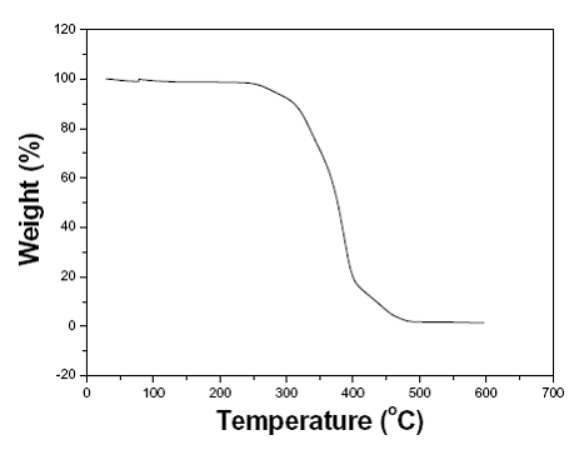
Figure 2: Thermogravimetric Analysis of PMMA
Product List: